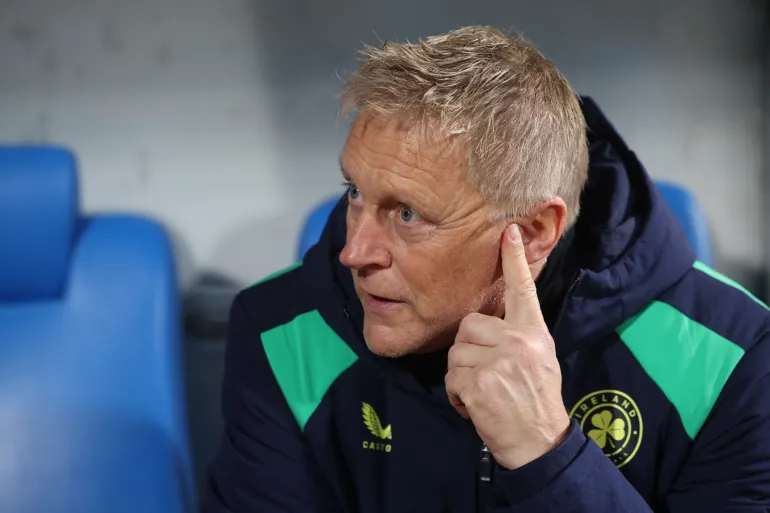
Ireland’s national football team has yet to finalize its stance for the second Nations League encounter against Israel, scheduled for this Sunday. Manager Heimir Hallgrimsson confirmed that the team’s path forward remains under discussion, stating that while they haven’t decided on a 100 percent course of action, the squad intends to address the matter after regrouping.
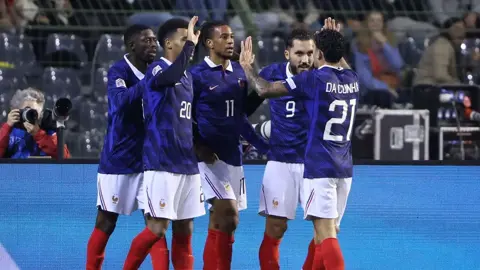
This uncertainty follows a contentious buildup to the first leg in Hungary, which Ireland won 3-0. Before the match, the team held a vote to determine whether they would fulfill the fixture, ultimately choosing to play despite widespread unease among some players regarding the ongoing war in Gaza. Hallgrimsson noted that the squad holds diverse perspectives on the situation and emphasized that these differing views deserve respect rather than being labeled as right or wrong. According to the remarks,, On Tuesday, emerged two days after Ireland beat Israel 3-0 in Hungary following a turbulent build-up in which the squad voted to fulfil the fixture despite unease among some players over Israel’s genocidal war in Gaza.
Reflecting on the atmosphere within the team, the manager admitted, “All I can say is I think we are all uncomfortable.” The tension was visible during the match in Debrecen, where players wore black armbands as a tribute to lives lost in Gaza and bowed their heads during the Israeli national anthem. Notably, both teams bypassed traditional pre-match handshakes and did not exchange pennants.
The internal conflict regarding the match was underscored when goalkeeper Gavin Bazunu withdrew from the squad, citing the “killing of innocent people” as a reason that made participation in either the Hungary or Serbia-based fixtures untenable for him. Despite the dissent, Hallgrimsson argued that the players’ public actions succeeded in raising global awareness.
The return fixture on October 4 has been moved from Dublin to Backa Topola, Serbia, with the Football Association of Ireland (FAI) citing operational challenges. This follows the FAI’s unsuccessful attempt last year to have UEFA suspend Israel from international competition. The upcoming match will be played behind closed doors.
The diplomatic and humanitarian dimensions of the fixture continue to draw attention, as pro-Palestinian groups and football fans have repeatedly called for boycotts since the group stage draw in February. While Israel strongly denies allegations of genocide, a United Nations commission of inquiry has concluded that the nation’s military methods in Gaza constitute such crimes.
Following a scheduled match against Austria in Dublin this Thursday, the team will resume their focus on the diplomatic and logistical complexities surrounding the Sunday match. Hallgrimsson intends to facilitate a final discussion with the players once they return to camp.