
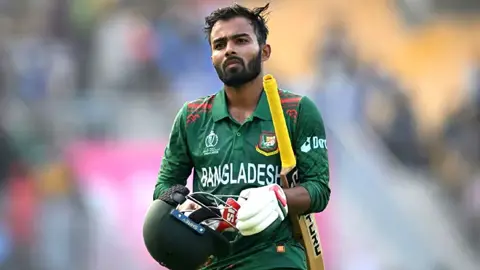
Bangladesh’s participation in the recent tri-nation series in the United Arab Emirates ended on a bitter note, with a collapse in their batting lineup effectively shattering hopes of reaching the final. The team suffered consecutive defeats against Zimbabwe and Afghanistan, highlighting a recurring struggle for the Tigers on foreign soil. Following these heavy losses, acting captain Towhid Hridoy has refrained from offering excuses, pointing directly to a fundamental lack of psychological resilience and courage as the primary drivers behind the team’s persistent failures.
The team’s performance in the UAE conditions was starkly underwhelming. During the opening match against Zimbabwe, Bangladesh chased a target of 272 but crumbled to 172 all out, falling by a massive 99-run margin. The innings saw the team slip to 129 for seven at one stage, leaving them with no path to recovery. Their subsequent outing against Afghanistan proved even more dire; the team lost four wickets for just 28 runs before being bowled out for 160. Afghanistan comfortably chased the target with seven wickets in hand and 87 balls remaining.
Addressing the media, Hridoy admitted that the collective failure of the batting unit was clear and that the team had paid the price for substandard play. He noted that while Bangladesh has maintained dominance in several series at home, they have consistently struggled to replicate that success abroad, with no overseas ODI series victory recorded since their success against Ireland in May 2023. Hridoy emphasized that the current group of players has proven their ability by defeating powerhouses like Australia, New Zealand, and Pakistan on home turf, and cautioned against judging the squad solely on these latest performances. However, he acknowledged that the inability to adapt to foreign conditions remains a significant hurdle.
According to Hridoy, the core of the problem is less about technical deficiencies and more about a “defensive mindset” that inhibits success at the international level. He stressed that professional cricketers must adapt rapidly to new conditions, yet the current tendency to collapse under pressure suggests that players are not entering the field with the necessary bravery. When the batting lineup begins to falter, it often leads to a domino effect where multiple wickets are lost in quick succession because the team lacks the mental clarity and effective planning required to stabilize an innings under duress.
Statistics underline this growing disparity between home and away results. This year, Bangladesh secured three consecutive series wins at home, totaling six ODI victories against only three losses. Conversely, they have managed only one win in five matches while abroad. Hridoy argued that the team currently lacks the individual “match-winners” capable of anchoring the side through difficult phases of a game. He emphasized that for the team to overcome this trend, one or two players must take individual responsibility to steer the side through crises, noting that such confidence is a hallmark of elite international teams.
Hridoy concluded that while the team publicly states ambitions to win major tournaments like the Asia Cup or the World Cup, these goals remain disconnected from their on-field reality. He expressed frustration that the planning discussed during training sessions fails to translate into performance. Unless the players undergo a fundamental shift in their approach to playing in foreign environments, he warned that these struggles will continue to plague the squad in future international outings.