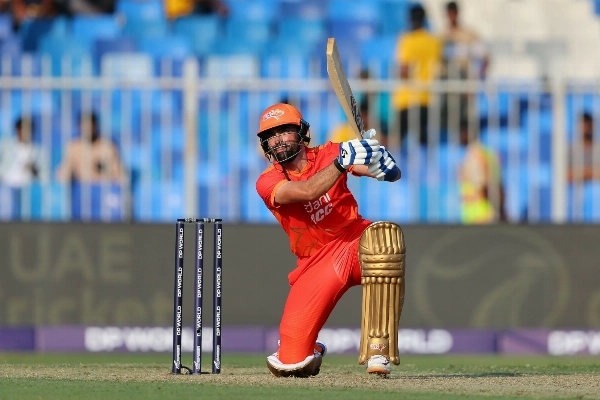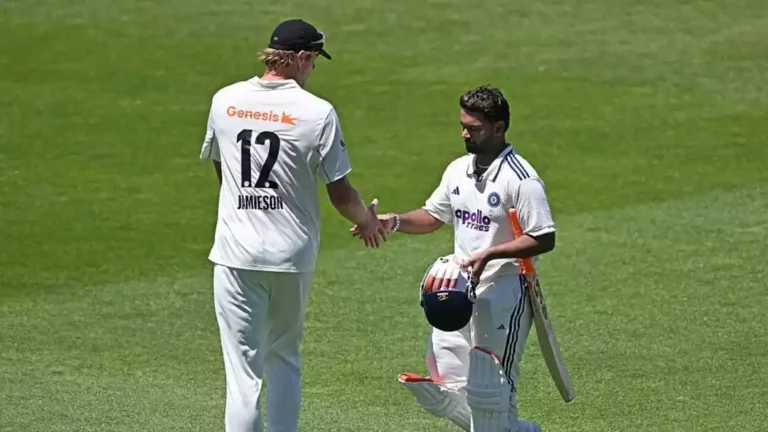
Tensions between India and Pakistan cricket teams were visible once again on Sunday, November 22, in Doha. During the encounter, players from the India A Rising Stars side opted against shaking hands with their Pakistani opponents following their defeat, continuing a trend of stoic, cold exchanges that has persisted since last year’s Asia Cup in Dubai. Whose body language remained stoic, as the India A Rising Stars side returned to the dressing room after losing to Pakistani counterparts in Doha on Sunday (November 22), there were cold vibes between the players. For perhaps the umpteenth time in cricket, India and Pakistan players did not shake hands and exchange warmth, either before or after the game. Though not necessarily teams in other sports, has avoided shaking hands with Pakistani players, almost every Indian cricket team. “Obviously, we want cricket to be referred to on the back pages of the papers rather than the front pages. Hopefully, by then people will let the cricket do the talking.”.
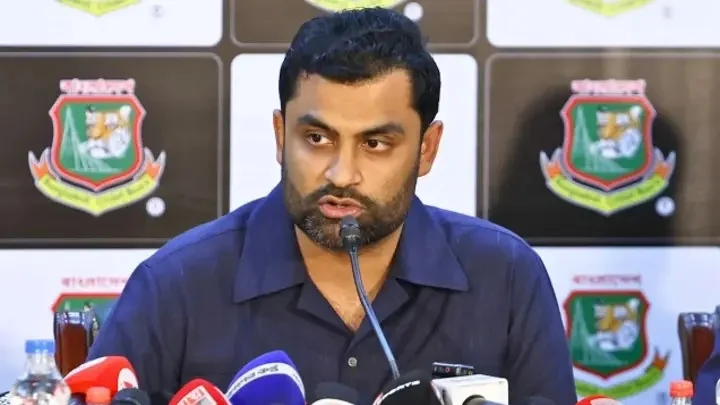
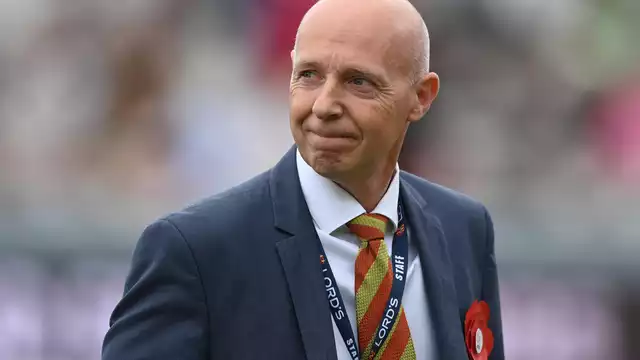
Fraser Stewart, the Laws Manager and Head of Cricket at the Marylebone Cricket Club (MCC), acknowledged the lack of post-match cordiality but maintained that the institution has no authority over such geopolitical displays. “If there are edicts coming from above about handshakes, that’s not something that MCC can control,” Stewart explained while in the UAE for the ILT20 season. “We would like to see it, but we realize there are bigger issues at play, and that’s something beyond our control.” Stewart is in UAE for the ongoing Season 5 of ILT20.
Stewart noted that the MCC’s mandate is restricted to enforcing the laws of the game on the field of play. He emphasized that as long as players demonstrate respect for officials, the sport’s authority, and their opponents, the governing body is satisfied. “I think there are certain instances that transcend cricket and come from a level that is above my station to comment on, such as geopolitical situations. What we can control is what happens on the field. That’s what we can control,” he added. That what goes on and who knows what, and wait eight years and make further allegations, and I don’t think anyone is doubting that that was the case.
The MCC official also addressed the resurfacing controversy surrounding the 2018 “Sandpapergate” incident, which continues to stir debate in the cricket world. Stewart reaffirmed the MCC’s stance that the use of sandpaper to manipulate the ball is a clear violation of the Laws of Cricket. While acknowledging the gravity of the illegal actions, he declined to intervene in the ongoing claims and counterclaims regarding who within the Australian setup was aware of the ball-tampering.
Regarding the conflicting narratives surrounding the 2018 Port Elizabeth and Cape Town Tests, Stewart remarked that there are deeply entrenched views on both sides. He stated it is not his place to determine the veracity of these claims, suggesting that investigations remain the responsibility of Cricket Australia. Looking ahead, he expressed a desire for the focus to return to the sport itself, specifically ahead of the upcoming Ashes series between England and Australia.