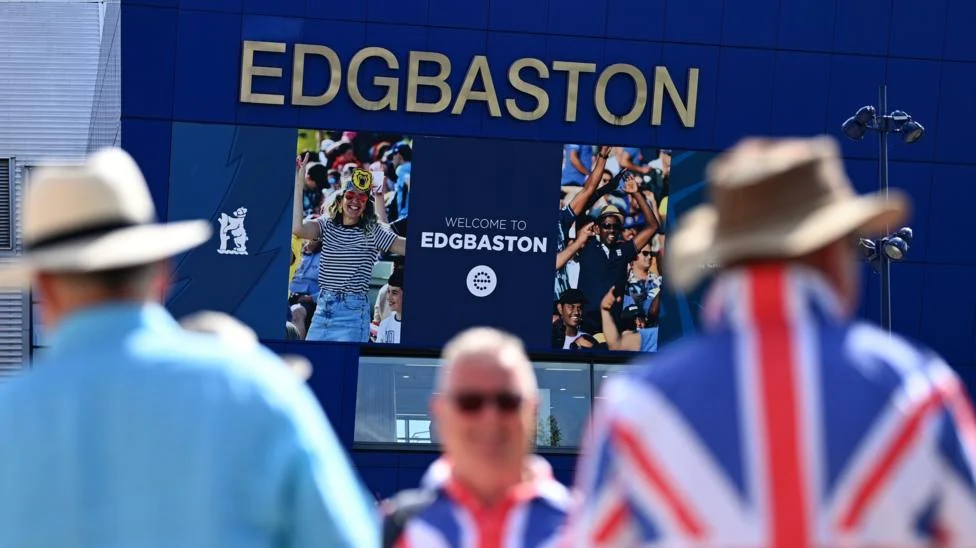
Attending major sporting events in the United Kingdom has become significantly more expensive throughout the 2020s, yet demand remains robust as attendances continue to hold strong. For fans, the financial barrier to entry at some of the nation’s most iconic fixtures is reaching record highs, with costs for live tickets and television access both climbing sharply.
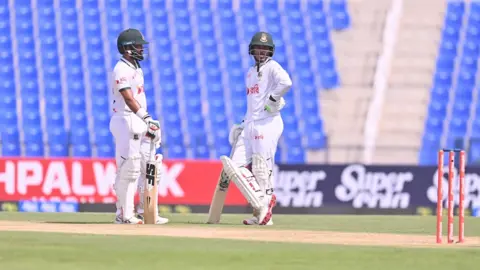
As of 2027, the entry cost for elite sport is stark. Cricket supporters face a minimum charge of £115 to attend a day of the Ashes in Birmingham, unless they are already Edgbaston members. This represents a major increase from the £65 minimum price seen during the last Edgbaston Test in 2023. By comparison, fans in Australia have previously purchased seats across all five venues for between £16 and £22. In a new Radio 5 Live programme – The Price of Our Sport – Sport has taken a look.
The tennis calendar is also becoming increasingly costly. Wimbledon singles finals will require a minimum spend of £255 for a standard seat next year, while the most expensive standard tickets are set to hit £400—a £50 increase from 2026 and double the price from 2017. Even on the middle Saturday of the tournament, Centre Court entry now requires at least £130. It seems like just people with money are going now.
Motor racing fans are facing similar pressures. General admission for race day at the British Grand Prix at Silverstone has risen to £289, up from £189 in 2021. Meanwhile, the cheapest allocated seats are now at least £609, a significant jump from the £276 cost seen five years ago. Golf enthusiasts also face rising expenses; general admission for the 2027 Ryder Cup at Adare Manor will cost €499 (£434), a sharp increase compared to the €260 (£220) charged in Italy in 2023.
Other sporting milestones this year have highlighted the trend. Attending a day of The Open at Royal Birkdale cost fans £150, compared to £95 at St Andrews in 2022. FA Cup final tickets have also seen a wide range in pricing, climbing from between £50 and £120 in 2016 to between £50 and £285 in 2026.
For many supporters, these costs are becoming unsustainable. Lee Hanlon, an England cricket fan living near Edgbaston, described the rising fees as “just ludicrous,” noting that he has decided to boycott the upcoming Ashes. He expressed frustration that normal fans are being priced out in favor of those with greater wealth. This sentiment is echoed across the sport; a Sport poll found that 95% of respondents considered 2027 Ashes ticket prices to be excessive. Can the increases possibly be justified and what does it all mean for fans, so what exactly is behind the rise in prices. I’m not paying £165 for one day!” – are cricket fans being priced out of the Ashes.
Event organizers argue that these adjustments reflect broader economic trends and the “experience economy,” where fans place a higher value on belonging and atmosphere. Edgbaston officials stated that entry-level pricing broadly matches inflation since the last time Australia toured. R&A CEO Mark Darbon explained that tickets make up less than 20% of The Open’s total revenue, noting that hosting costs have inflated by 25% over the past five or six years, though they do provide half-price entry for 16-24 year olds and free access for children. The prices chime with wider trends, but for event organisers. A spokesperson for Edgbaston said: “Our entry-level ticket prices roughly match inflation compared to the last time Australia visited Edgbaston in 2023 – but like the rest of the country, we’re battling increased costs and trying to manage these wherever we can. The costs of putting on a major sports event include things like utilities, staffing, technology, insurance and marketing, whether prices are set by governing bodies or the stadiums.
Industry experts suggest that premium hospitality is driving much of this change. Richard Flint, chairman of Seat Unique, noted that corporate boxes are increasingly being split into individual seats, allowing regular fans to pay for premium experiences. While this revenue helps fund stadium renovations and infrastructure, it complicates the landscape for traditional ticket buyers.
The complexity extends to home viewing, where the fragmentation of broadcasting rights forces fans to navigate a web of costly TV subscriptions. Pete Oliver, CEO of growth markets for the streaming service DAZN, suggested that sports are most attractive when fans only need one subscription to access everything. However, as sports media consultant Pierre Maes pointed out, the current reality leaves fans paying more to avoid illegal streams, warning that without a better balance, sports risk losing the attention of their core audience.