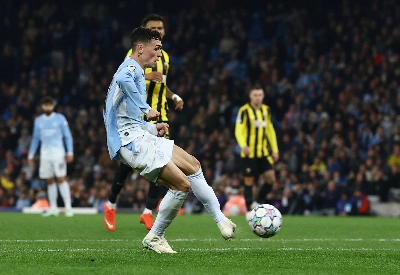

The South Korea Pro Footballers Association (KPFA) is formally urging the K League to shift its domestic season to a fall-spring calendar. The union argues that the current schedule, which runs from February 28 to December 6, exposes athletes to dangerous, punishing summer temperatures that threaten their health and the league’s long-term competitiveness.
The push for reform follows a period of extreme weather across the peninsula. On August 2, Yangsan recorded a historic high of 42.5 degrees Celsius (108.5 Fahrenheit), while Seoul recently endured a 17-day streak of tropical nights where temperatures remained above 25 degrees Celsius (77 Fahrenheit). These conditions have already disrupted other sports, including the temporary suspension of the national baseball league.
A survey conducted by the KPFA, involving 536 professional men’s and women’s players, highlights the severity of the issue. A significant 86.2% of respondents reported that the heatwave placed a major physical burden on them. Reported symptoms during matches were widespread: 64.7% of players cited dizziness, 56.6% reported dehydration, 32.2% suffered from headaches, 13% experienced temporary loss of consciousness, and 12.2% dealt with nausea.
Regarding current safety protocols, only 15.3% of surveyed players felt that existing cooling break policies were adequate. KPFA president and former international star Lee Keun-ho emphasized that a winter break would not only prevent injuries but also allow players to maintain better physical form compared to competing under the intense summer sun. Lee suggested that the league could mitigate the impact of harsh winters by installing advanced heating systems at stadiums and utilizing hybrid grass pitches.
The association believes aligning with the Asian Football Confederation’s Champions League Elite, as well as the J League’s recent transition to a summer-to-spring format, is essential for South Korea to maintain its leadership in Asian football. While the country faces significant winter challenges, including subzero temperatures and heavy snowfall, the union maintains that a mid-season pause is a viable solution to ensure player welfare.
The urgency of these concerns is underscored by recent tragedies in the region. Last week, 26-year-old Fijian rugby player Saimoni Vunilagi passed away in Fukuoka, Japan, after being hospitalized with symptoms consistent with severe heatstroke following a training session with his second-division side, Kyushu KV.
Beyond player health, the extreme climate has also impacted the commercial side of the sport. Recent high-profile exhibition matches, including a visit from Manchester City, have seen varying attendance levels as fans and players alike grapple with the relentless heat. The KPFA is now calling for stricter, standardized heat-response protocols to be implemented immediately.
As the debate intensifies, the league faces pressure to balance its traditional calendar against the realities of a changing climate. The KPFA’s proposal represents a significant shift in how South Korean football addresses environmental risks, prioritizing the physical longevity of its athletes over historical scheduling norms.
On August 2, the southeastern city of Yangsan recorded a temperature of 42.5 degrees Celsius (108.5 Fahrenheit), the highest in decades of official records, prompting authorities to warn residents to stay indoors.
The 2026 K League season started on February 28 and is due to finish on December 6, but in the current climate, calls to move the traditional schedule have intensified.
“The league should set up more heating devices at stadiums and install hybrid grass for pitches, and make investments that can help the league for the long haul.”
Overall, 86.2% said the heatwave placed a physical burden on them, with 45.2% (242 players) answering “very much so” and 41% (220 players) answering “yes”.