On match days, Peadar Browns in Dublin’s historic Liberties district typically draws crowds of football fans to watch games. However, as kickoff for the Republic of Ireland’s Nations League fixture against Israel arrived on Sunday, the atmosphere was markedly different; the pub’s television screens remained dark. The establishment made a deliberate choice to withhold the broadcast, staging a protest against the war in Gaza. Ireland, a staunch and long-standing ally of the Palestinian cause, has been thrust into the global spotlight over whether the team will play the two scheduled games against Israel.
Owner Aidan Brown stated that the decision was finalized about a month ago, pledging not to air any Nations League matches until Ireland took a firm stand regarding Israel. Having opted out of the Kosovo game, the pub maintains no intention of broadcasting the matches against Israel. Brown has been tracking a growing list of establishments following suit, noting that at his last count, approximately 140 pubs and bars both within Ireland and abroad had committed to the blackout, a figure he expected to rise as the national team’s internal complications became clear. He expected the number had risen before kickoff as tumultuous events within the Ireland team reverberated around the country.
The current climate in Ireland has been compared to the infamous 2002 Saipan incident, when captain Roy Keane departed the World Cup squad following a heated dispute with manager Mick McCarthy over training standards. While the 2002 saga centered on sporting infrastructure, the current national debate is defined by moral concerns. In Derry, Delacroix bar owner Liam Doherty echoed the sentiment of collective mobilization, arguing that as a small nation, Ireland has a responsibility to signal that the ongoing conflict is fundamentally wrong.
Rebecca O’Keeffe, chair of Irish Sport for Palestine and leader of the Stop the Game campaign, highlighted that this grassroots movement has permeated regions of Ireland that previously remained disengaged from the issue. Public sentiment is notably aligned against the fixtures, with polls indicating 76 percent of Irish football supporters opposed to the matches. Even among professionals, 63 percent of the Professional Footballers’ Association of Ireland members voted against participating. “It’s a mass movement,” she says. “It’s reached corners of Ireland that maybe wouldn’t have been engaged with this issue before. But Irish public opinion is clearly against tonight’s fixture taking place, it’s not unanimous.
Despite this public outcry, the Football Association of Ireland (FAI) has faced intense criticism for its handling of the situation. Although 93 percent of FAI members voted in November to request Israel’s suspension from UEFA, the association ultimately voted 75 to 32 in July to proceed with the games, citing potential sanctions such as point deductions. Daniel Lambert, the Bohemian FC chief commercial officer who helped initiate the original motion, noted that the FAI’s failure to act on its membership’s clear mandate caused significant frustration, arguing that refusing to play would have likely bolstered the association’s reputation. Though: none of the televisions were on, with one significant difference. We are past the point of symbolic gestures and hollow words.”. With three abstentions, the motion passed 75 votes to 32.
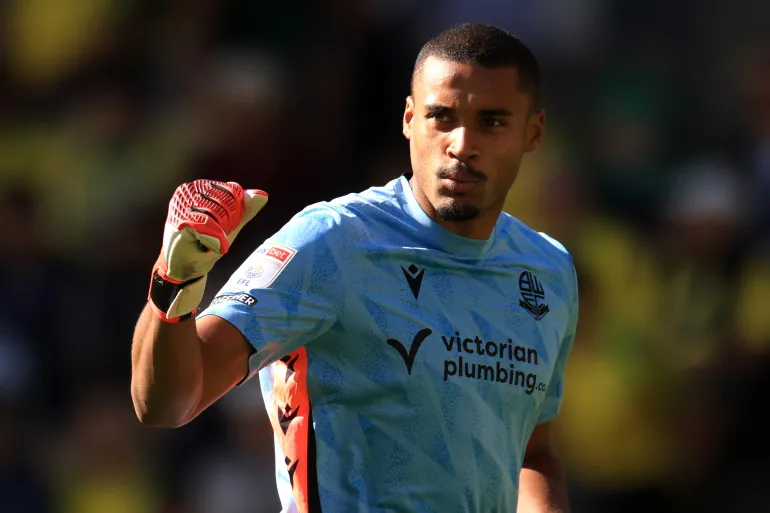
The dilemma has intensified pressure on the players themselves. An open letter signed by over 160 Irish sportspeople urged a full squad boycott. Team coach Heimir Hallgrimsson acknowledged that several players expressed profound discomfort, and midfielder Jason Knight stated the matches should not be occurring. Reports suggest that during a squad vote, eight players were against playing, yet ultimately, only goalkeeper Gavin Bazunu refused to take the pitch.
Lambert praised Bazunu’s stance as an act of staggering courage, noting the immense pressure players face from agents regarding their career trajectories. He drew a parallel to the music industry, where Irish artists pulled out of tours in solidarity after rapper Macklemore was removed for his pro-Palestine advocacy. Susan Shalabi, vice president of the Palestinian Football Association, suggested the crisis stems from international governing bodies like FIFA and UEFA failing to apply their own regulations, which unfairly forced the FAI into this predicament.
With a second Nations League fixture against Israel pending and a match against Austria approaching in Dublin, the pressure is expected to escalate further. At Peadar Browns, the screens will remain off, reflecting a widespread national sentiment that, for many, the importance of the points is completely overshadowed by the gravity of the situation.