The NBA has shut down its only elite basketball training academy in Africa, ending a project in Senegal that spanned less than a decade. The facility, which opened in 2018, was designed to cultivate top-tier talent from across the continent for pathways into professional leagues in the United States and other international markets.
Former employees have criticized the move, describing it as a significant blow to the prospects of young African players. Michel Chikwanine, the academy’s former performance and lifestyle adviser, stated that the announcement had an immediate negative impact on the students. “From the moment we told them, their confidence waned, their confidence dropped,” he explained.
Michael Abbott, who served as the academy’s head of academic planning, suggested the closure indicates that the organization prioritized its business strategy over the students themselves. “They weren’t invested in them as kids as much as they were invested in the business model,” Abbott noted.
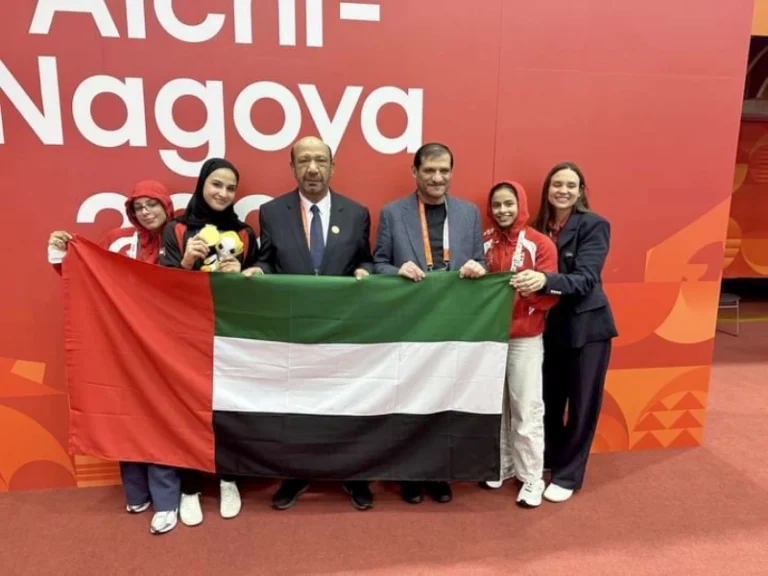
The league confirmed that the closure is part of a broader shift in its global development operations. Similar academies in Mexico and Australia have also been closed, with the NBA consolidating its resources into a new, singular global training academy located in Abu Dhabi, United Arab Emirates. The NBA maintains that centralizing training will provide participants with improved access to international professional scouts and high-level coaching.
Despite the criticism, the NBA asserts that its commitment to African basketball remains firm. The league pointed to the success of the Basketball Africa League, which has completed six seasons, and the ongoing Basketball Without Borders program as evidence of its continued regional presence. Troy Justice, the NBA’s senior vice president, stated that the organization is proud of the academy’s legacy and remains dedicated to nurturing the next generation of African talent. The NBA added that it is continuing to invest in African talent through other programmes and closing the academy does not signal a diminished commitment to the continent, in its statement. According to he, The NBA’s decision reinforced a message felt by many Africans that big companies come to the continent claiming to want to invest in people but in reality just want to make money.
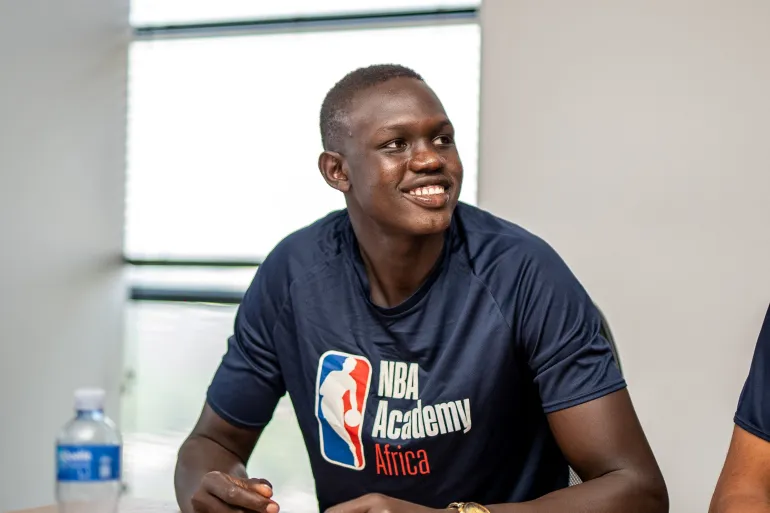
Since its inception, the academy trained approximately 110 students, many of whom advanced to elite US universities. The program produced notable professional success, including Cameroon’s Ulrich Kamka Chomche, who became the first graduate to be drafted into the NBA in 2024 before joining the Toronto Raptors. Additionally, South Sudanese prospect Khaman Maluach has moved on to compete for the Phoenix Suns.
Chikwanine expressed concern that the closure imposes unnecessary barriers for African athletes, who often rely on the specialized support provided by the academy to overcome challenging backgrounds. He suggested the decision aligns with a broader trend of large organizations treating the continent with an “extraction mindset,” which he argues has fueled significant mistrust among local communities. Under the new global model, African prospects must now compete against peers from across the world for limited positions at the new Abu Dhabi site. All African prospects will have to compete globally for spots in the UAE.