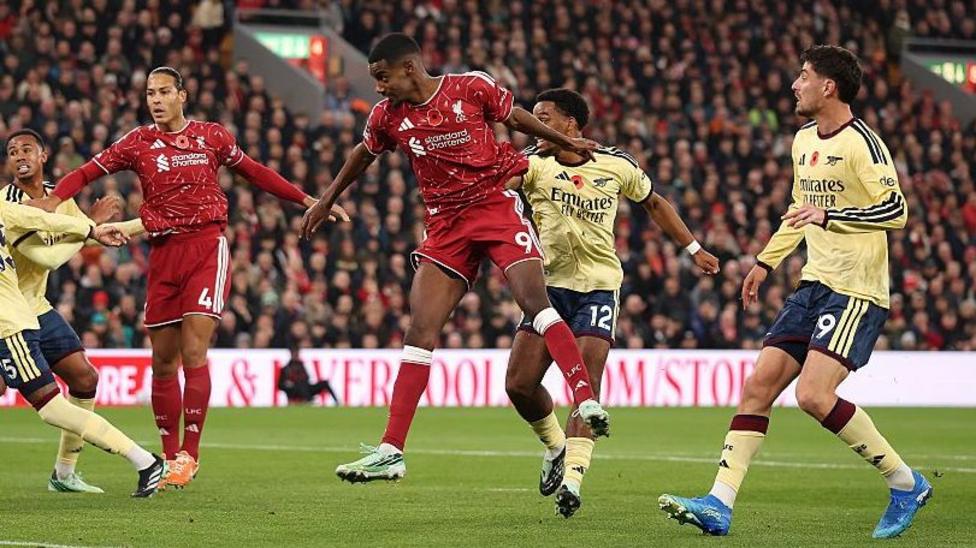
A controversial moment in Liverpool’s 1-0 defeat against Arsenal at Anfield has reignited football’s long-standing debate over whether players are forced to go to ground to win refereeing decisions. Sweden international Alexander Isak appeared to have his shirt grabbed by Jurrien Timber inside the penalty box following a cross from Bradley Barcola, but neither on-field referee Andy Madley nor VAR official Stuart Attwell intervened.
Isak did not appeal or go to ground after failing to reach the ball, which drifted out of play before he walked back up the pitch for an Arsenal goal-kick. Replays clearly showed Timber holding a handful of Isak’s shirt, frustrating Liverpool manager Andoni Iraola, whose side failed to manage a single shot on target during the loss as Arsenal moved clear at the top of the Premier League table.
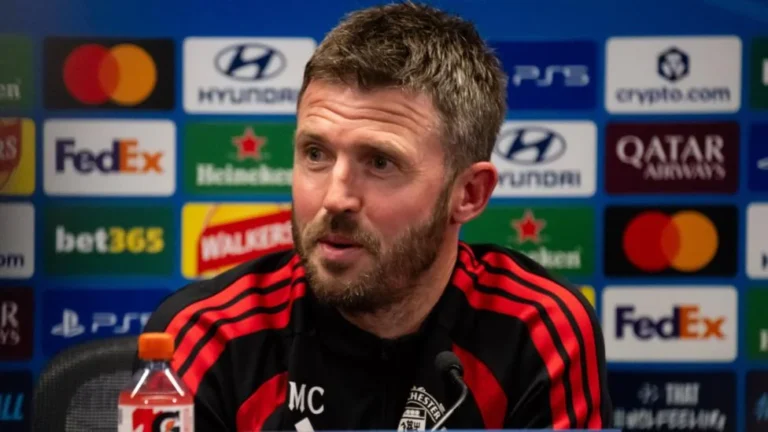
“There is a clear grab of the shirt,” Iraola said following the match. “The answer is you have to dive, if you don’t dive they won’t call it. If he goes to the floor, they call the penalty 100%. It shouldn’t be like this but it is what it is.”
Former Premier League player Danny Murphy expressed a similar view on Match of the Day, suggesting Arsenal were fortunate. “Arsenal got lucky,” Murphy noted. “If Isak maybe makes a bit more of it. I hate to see players exaggerate, but he’s going to score. It’s a big moment in the game.”
However, players who do go to ground frequently face harsh criticism. During the second half of the same match, Alexis Mac Allister was labelled “embarrassing” by commentator Jamie Carragher for falling to the turf claiming he was headbutted by Noni Madueke.
The incident with Isak mirrors a previous fixture in February between Sunderland and Fulham. In that game, Harry Wilson delivered a free-kick that Sunderland goalkeeper Robin Roefs punched away. Fulham’s Calvin Bassey immediately dropped to the turf and appealed with outstretched arms to referee Craig Pawson for a shirt tug by Brian Brobbey. While nothing was awarded on the field, VAR Tony Harrington spotted the grab and directed the referee to the monitor, resulting in a penalty decision.
Key Rules and Factors in Shirt-Holding Decisions
- Legal DefinitionUnder the laws of the game, a holding offence only occurs when contact with an opponent’s body or equipment actively impedes their movement.
- The Coat Hanger EffectShirt pulling that visibly stretches material far away from the body is significantly more likely to be penalised by officials.
- Impact FactorThe physical impact on the player remains crucial. If a player shows no sign of being impeded, officials are far less likely to act.
- Expert AssessmentFormer Premier League assistant referee Darren Cann noted: “It has to be sustained holding – some will say it was sustained, some will say it wasn’t. But it’s interesting that Isak didn’t even appeal.”
- Replay FrustrationsRefereeing circles have expressed frustration over shifting standards, specifically whether slow-motion replays should be used to judge fleeting contacts at full speed.
The current refereeing landscape reflects a deliberate attempt to raise the threshold for video reviews. During the summer, Uefa referees’ chief Roberto Rosetti warned that “too many reviews” had led to players attempting to play for or earn video decisions. Consequently, officials are placing greater scrutiny on players who embellish contact.
Historically, the Premier League has maintained the lowest number of VAR interventions in Europe. After nine rounds of matches this season, the competition recorded 14 subjective reviews, matching the exact figure from the same point last season. Furthermore, the Key Match Incidents Panel has identified only one missed VAR intervention in the Premier League so far this season, supporting the video referees’ stance that they are maintaining the correct balance despite ongoing frustration from managers like Iraola.