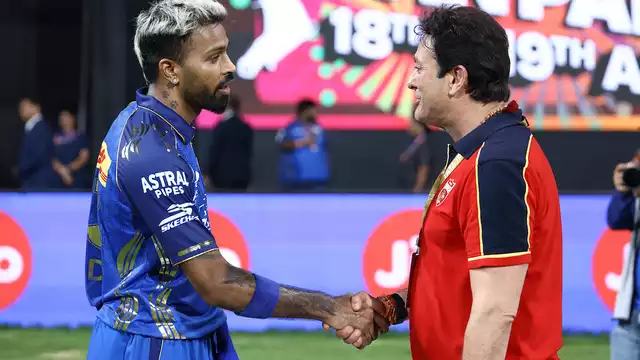
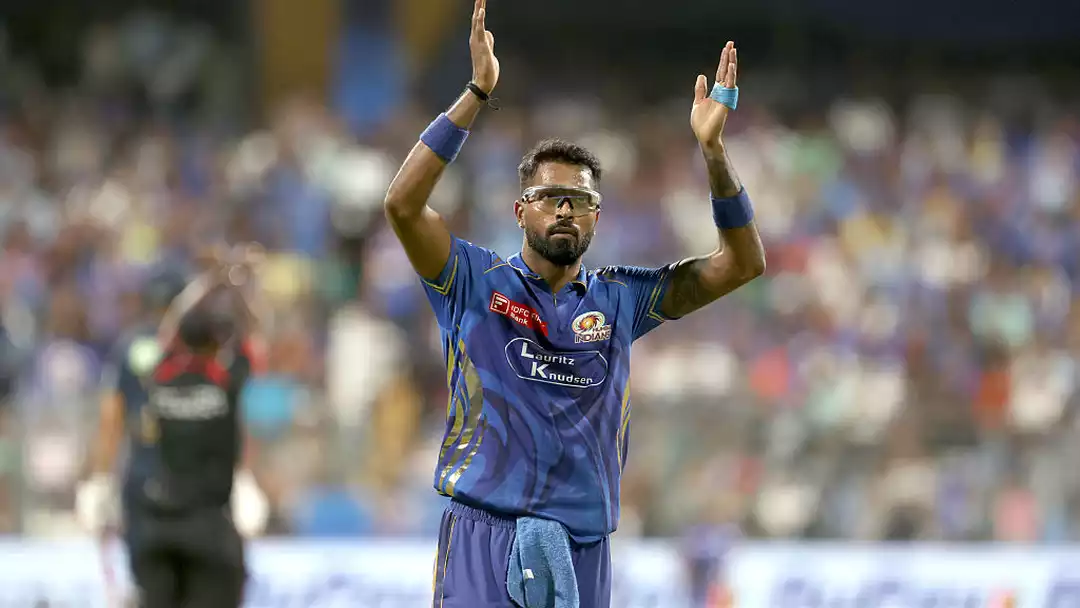
The Indian Premier League landscape shifted on Wednesday, November 11, with the official confirmation of a high-profile trade involving Hardik Pandya and Arshdeep Singh. This transaction stands as one of the most significant player exchanges in the tournament’s history, reportedly taking shape after high-level discussions between the Mumbai Indians and Punjab Kings. While the move surprised many in the cricketing world, it followed a period where both players were consulted and eventually provided their formal agreement to the deal.
A central question in such major transfers is the degree of agency a player holds. Under current BCCI regulations, a player’s consent is an absolute requirement for any trade to be finalized. Although the selling franchise ultimately decides whether to make a player available for a move, they cannot force a transfer without the athlete’s documented approval. That raises an important question in such transactions: does a player have a say in being traded.
The formal trading process is governed by a strict timeline. It begins when a buying franchise submits an Expression of Interest (EOI) to the BCCI. Once this is received, the selling franchise has a 48-hour window to confirm the player’s availability. If they agree to the sale, the league rules specify that the player must then be asked to confirm their willingness to move by signing an official “Consent Form” provided by the BCCI.
Financial incentives are also baked into the trading framework. The regulations allow players to negotiate a share of any increase in their annual league fee as part of the transaction. In this specific case, Hardik Pandya’s annual fee has risen from INR 16.35 crore to INR 18 crore. The rules dictate that the Consent Form must explicitly state the percentage of this “Negotiated Increase” that will be paid directly to the player, known as the “Player Percentage.”
Contractual transitions are similarly structured to ensure clarity. By signing the Consent Form, a player agrees to enter a new contract with the buying franchise. This new agreement includes their original league fee plus the agreed-upon portion of the negotiated increase. Simultaneously, the selling franchise agrees to release the player from their existing obligations in exchange for their designated share of the financial uplift.
Physical readiness is another critical regulatory pillar, especially relevant for Pandya, who has not played since the conclusion of IPL 2026. The BCCI places the burden of due diligence on the acquiring team. League rules state that the buying franchise is responsible for ensuring the player is match-fit at the time of the trade, which may include a mandatory medical examination before the final documents are signed. While it remains unconfirmed if Pandya underwent a specific medical check for this trade, he has spent over five months at the Centre of Excellence (CoE) and is expected to be ready for the upcoming season, which is still three months away. Given that he has been out of action since the end of IPL 2026, pandya’s fitness is another aspect that will have come into consideration. But that may not paint the full picture.
For Pandya, this move represents the latest twist in a storied IPL career, marking his second trade in just three years. His previous all-cash transfer from Gujarat Titans back to Mumbai Indians ahead of the 2024 season was met with significant fanfare. Some observers suggest this latest exit might imply that Mumbai Indians regretted the decision to bring him back from the Titans, or perhaps even that their original error was allowing him to leave for Gujarat in 2021. Another view could even be that Mumbai Indians erred in letting Pandya go in the first place in 2021.
Pandya originally developed through Mumbai’s scouting system, contributing to four of the franchise’s five titles before his initial departure. After winning another trophy during a successful two-year stint with Gujarat Titans, his return to Mumbai did not produce the desired results. Despite his second departure, Mumbai Indians owner Akash Ambani expressed deep appreciation for the all-rounder’s journey. Ambani noted that the team has watched him grow into a world-stage performer and valued the energy and competitive spirit he brought to the squad, wishing him the best in his future endeavors. According to i have great respect for him, both as a cricketer and as a person, and wish him nothing but the very best for everything that lies ahead,”, Akash Ambani, the MI owner.