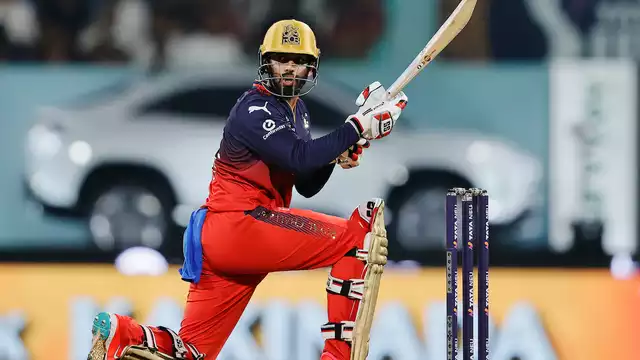

A historic performance unfolded on the fourth day of the Wellington Test as Rishabh Pant shined with the bat, guiding India to a monumental total of 720 for 9 before captain Shubman Gill declared the first innings. Facing a colossal task, New Zealand reached 119 for 2 in their second innings by stumps. The hosts still trail India by 233 runs, leaving the visiting side needing eight wickets on the final day to secure victory.
India resumed their fourth morning at 486 for 4, with nightwatchman Anshul Kamboj taking an aggressive approach alongside Rishabh Pant. The pair added 68 runs for the fifth wicket before Kamboj fell to Glenn Phillips for 38. Pant then joined hands with Dhruv Jurel to dominate the Kiwi bowling attack, completing his ninth career Test century off 135 deliveries. The dynamic left-handed wicketkeeper-batter scored 128 runs, featuring 10 boundaries and 6 sixes, before being dismissed by Rachin Ravindra.
Pant Breaks Records with Explosive Knock
With his latest century, Pant etched his name further into international cricket history. Among wicketkeepers, only Australia’s Adam Gilchrist with 17 centuries and Zimbabwe’s Andy Flower with 12 centuries stand above him in Test cricket. Pant also became the sixth Indian batter to score a Test century in South Africa, England, New Zealand, and Australia, and the first Indian wicketkeeper ever to accomplish the feat across all four nations. His tally of Test sixes expanded to 108, putting him second only to England captain Ben Stokes, who leads with 138 sixes.
India maintained their rapid scoring rate even after Pant’s departure. Dhruv Jurel reached his half-century and constructed another fifty-plus partnership with Washington Sundar. This partnership created a unique world record, marking the first time in Test cricket history that a team registered a partnership of at least 50 runs for each of their first seven wickets. Washington Sundar was eventually bowled by Rachin Ravindra for 24, while Akash Deep chipped in with two sixes. Jurel continued his attack to score 78 before being stumped off Phillips, prompting captain Gill to declare immediately at 720 for 9.
Statistical Dominance and New Zealand’s Struggle
Glenn Phillips emerged as the most successful bowler for New Zealand with three wickets. However, pacer Jacob Duffy suffered a grueling outing, conceding 201 runs in 33 overs. This marked the second-costliest bowling analysis in New Zealand’s Test history, behind Stephen Boock’s 229 runs surrendered against Pakistan in 1989. India’s 720 total stands as their third-highest team score in Test history, the highest total recorded against New Zealand, and the highest ever scored by a visiting team on Kiwi soil. It eclipsed New Zealand’s 715 for 6 declared against Bangladesh at Hamilton in 2019. This is India’s fifth score over 700 in Test history, trailing only Sri Lanka’s seven such innings.
Chasing the massive deficit, New Zealand suffered an early blow in their second innings when skipper Tom Latham edged Jasprit Bumrah behind to be caught for a duck. Latham registered ducks in both innings of the match, becoming the third New Zealand captain to suffer a pair in a single Test match. Devon Conway and Henry Nicholls stabilized the innings before Prasidh Krishna broke their 50-run second-wicket partnership by removing Nicholls for 60. Conway survived through to stumps alongside Rachin Ravindra, remaining unbeaten on 59 while Ravindra held firm on 27.