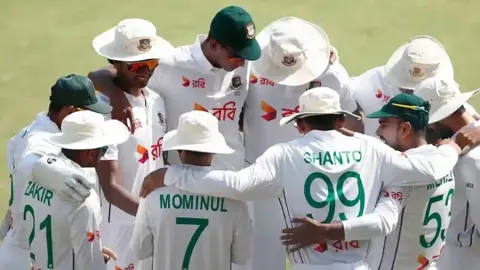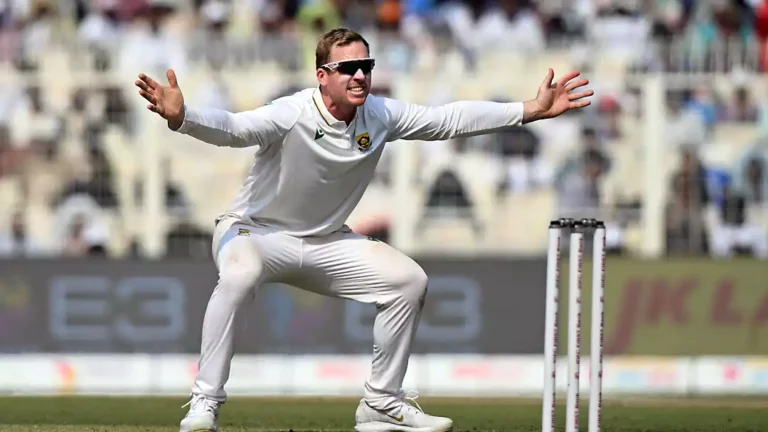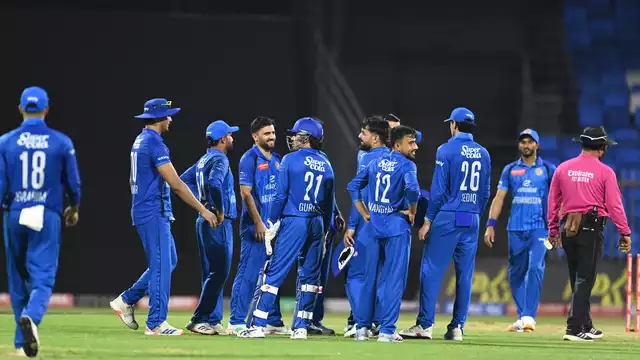
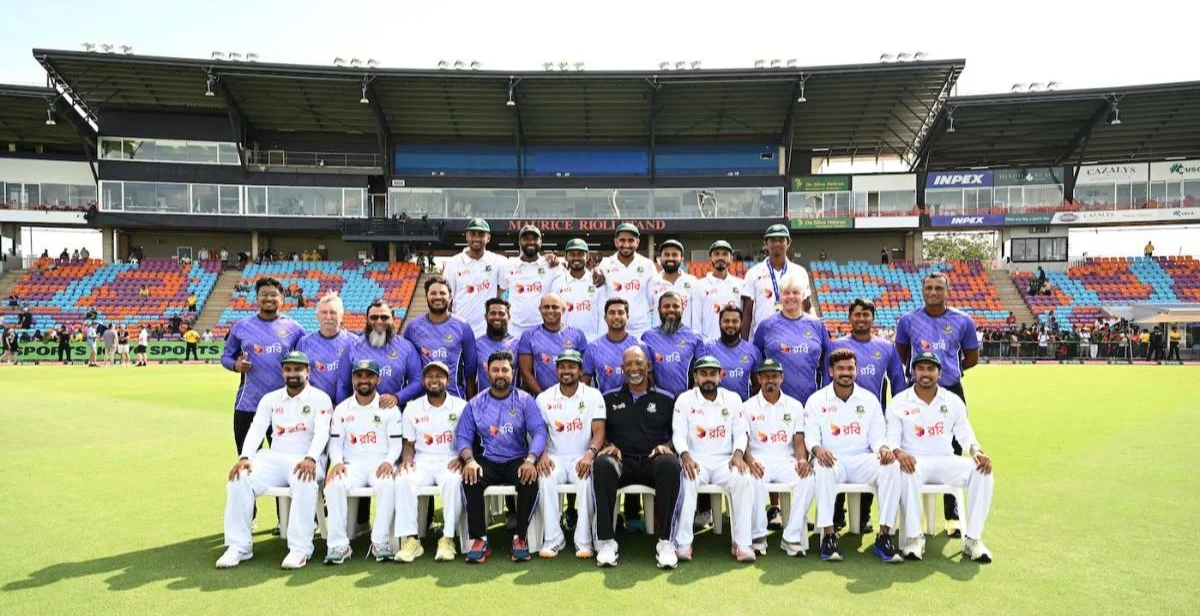
Bangladesh secured a historic first-ever Test victory on Australian soil, achieving the feat in just their third attempt. Previously, the team had only played two Tests in Australia back in 2003, both of which resulted in innings-margin defeats. Among touring nations, only England has achieved a maiden Test win in Australia in fewer attempts (two matches), while South Africa also required three tries to secure their first victory there.
This result marks Bangladesh’s second Test win against Australia in seven encounters, following their maiden victory in Mirpur back in 2017. Notably, the disparity in experience was vast; before the Darwin Test, the combined wicket tally of the two bowling attacks differed by 1,075. Only two other matches in history have seen a team win with a larger wicket-experience gap: India’s win against Australia in Perth in 2024 (1,247) and the West Indies’ victory in Brisbane the same year (1,111).
Australia’s loss is statistically rare, as they have only dropped three home Tests after winning the toss in the last fifteen years. The previous instances occurred during the 2020-21 series against India in Melbourne and at the Gabba. Furthermore, this is the first time Australia has lost a home Test after winning the toss since their defeat at The Oval during the 2023 Ashes, ending a streak of nine consecutive toss-win victories.
For Bangladesh, captain Najmul Hossain Shanto has now recorded his third overseas Test win, the highest for any Bangladeshi skipper, bringing his total career wins as captain to nine—six at home and three abroad. The match also saw a dominant performance from the pace attack; for only the second time in Test history, all ten wickets in an opponent’s first innings were claimed by visiting pacers. Bangladesh’s seamers took 14 wickets in total across the match, tying their record for the most wickets taken by a pace attack in a single Test.
Hasan Mahmud delivered a standout performance, taking 9/111 to earn Player of the Match honors. This is the second-best match bowling figure for a Bangladeshi pacer in Test history. His 6/55 in the first innings stands as the third-best individual innings figure by a Bangladeshi fast bowler. Additionally, his match haul is the third-best by a visiting debutant bowler in Australia, trailing only Wasim Akram (11 wickets in 1990) and Maurice Tate (11 wickets in 1924).
Australia struggled significantly, with their first-innings total of 198 runs marking their lowest-ever score against Bangladesh in any format. Meanwhile, Mehidy Hasan Miraz excelled with both bat and ball, claiming five wickets and scoring a half-century. This marks his fourth time achieving a fifty and a five-wicket haul in the same Test, with two of those instances occurring overseas—a record shared among Bangladeshi players, excluding Shakib Al Hasan.
Spin bowling also saw a rare milestone, as Mehidy became the first visiting spinner to take a five-wicket haul in an Australian men’s Test since Kuldeep Yadav in Sydney in 2019. Since 2000, the only other visiting off-spinner to achieve this feat in Australia was Graeme Swann in Adelaide in 2010.
Individual milestones were also reached by the hosts. Cameron Green scored his first home Test century in his 33rd innings; only Ian Healy (41 innings) and Bob Simpson (36 innings) took longer to reach their first home Test ton. Josh Hazlewood became the ninth Australian bowler to reach 300 Test wickets. With Nathan Lyon, Mitchell Starc, and Pat Cummins also featuring, this match marked the first time in Test history that a single playing XI included four bowlers who had each taken 300 or more wickets.
Finally, the match proved difficult for Australian captain Pat Cummins. He has now suffered defeats against six of the eight different opponents he has faced as Test captain, a first for any Australian leader. Under Cummins’ tenure, Australia has yet to lose a Test match against Pakistan or New Zealand.