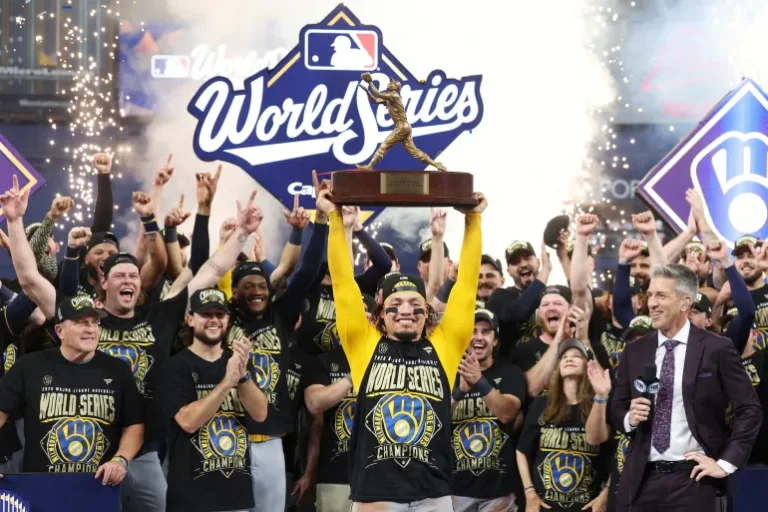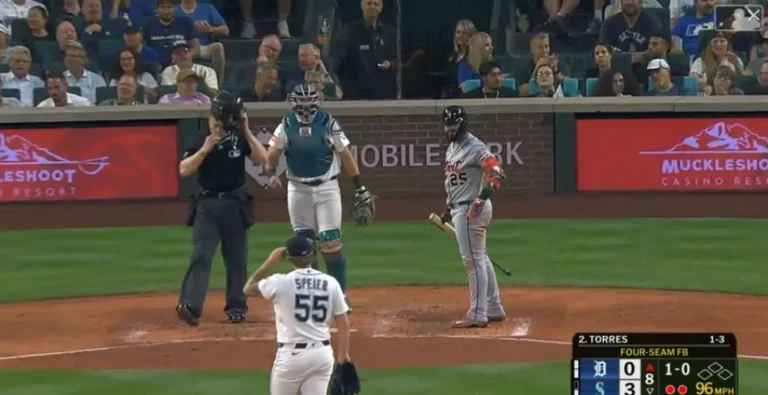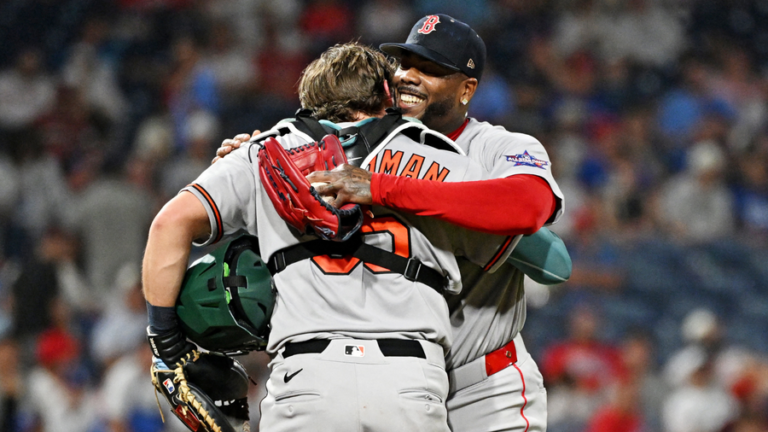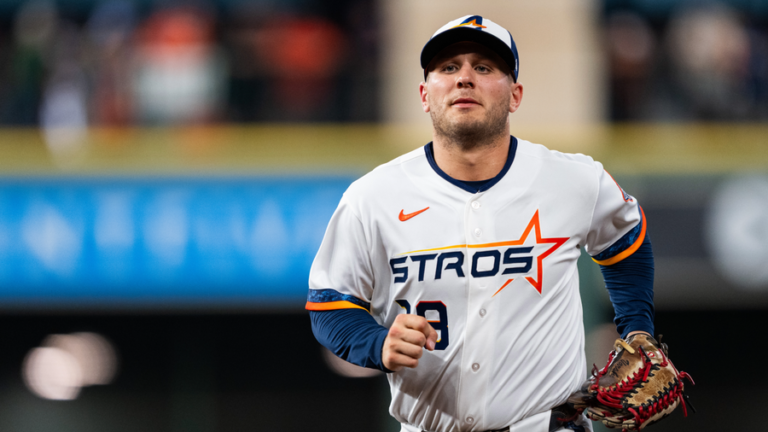
The Milwaukee Brewers capped off their championship run by winning the World Series this week, an achievement that appears to counter Major League Baseball’s long-standing argument for an economic overhaul. Operating in baseball’s smallest media market with the 19th highest payroll among 30 teams, the Brewers defeated high-spending franchises to claim the title. However, the victory is unlikely to prevent a fierce labor war between team owners and the players’ union that could jeopardize a significant portion of the 2027 season.
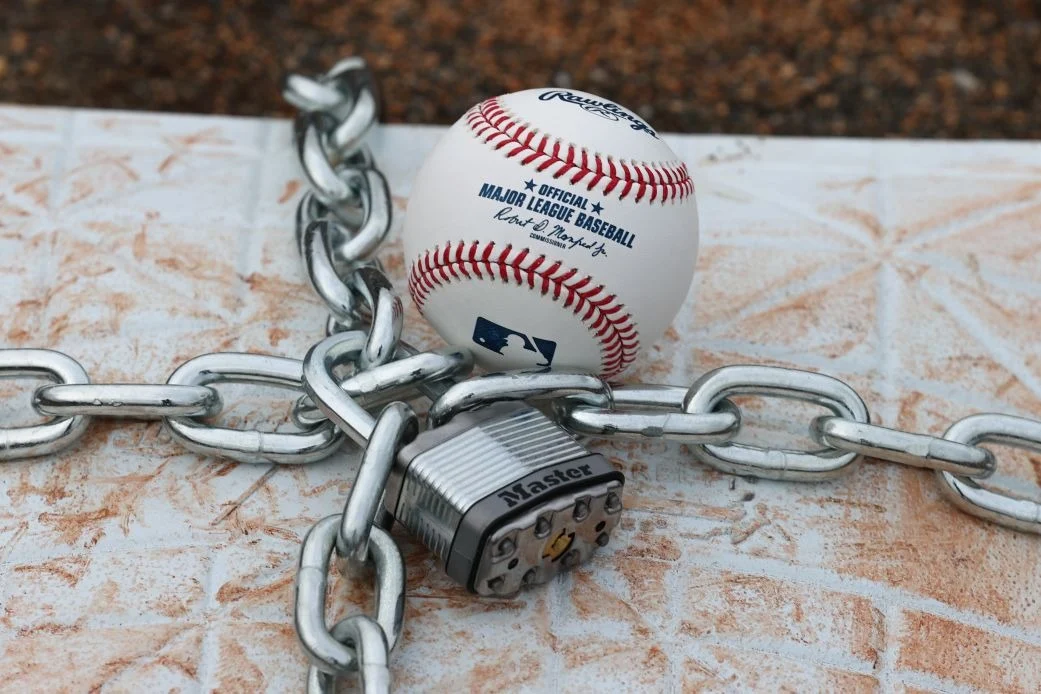
Labor negotiations are scheduled to intensify in roughly a month as the current collective bargaining agreement approaches its December 1 expiration date. Industry expectations lean heavily toward owners initiating a lockout as soon as the agreement lapses. While management often utilizes early lockouts to force an agreement before spring training and protect broadcast revenues, past negotiations demonstrate that work stoppages can quickly escalate into prolonged disruptions. The day the collective bargaining agreement expires, the near-universal expectation is that owners will lock out the players on December 1. Avoiding the loss of broadcast rights fees and ticket sales, an immediate lockout can increase the likelihood of an agreement being reached before the season starts in late March. That scenario played out in 2021-2022 when owners locked out the players early — the fight dragged on through the winter and what should have been the start of spring training. Every labor negotiation dating back to 1972 resulted in some games being lost, before that work stoppage.
Addressing reporters prior to the Fall Classic, MLB Commissioner Rob Manfred emphasized that the matchup between the Brewers and the small-market Tampa Bay Rays—who hold the 27th highest payroll—did not alter his stance entering labor talks. “I think that small markets operate at a disadvantage economically. They just don’t have the resources that our bigger markets do,” Manfred stated. He argued that even well-managed organizations face steep structural hurdles, adding, “The best evidence (is) the Brewers have been a well-run franchise forever. It’s been 40 years since we’re here. Once every 40 years is not enough.” “This year is not extraordinary, but it’s anomalous.
The MLB Players Association views the owners’ push for a salary cap as a direct attempt to limit player earnings and boost franchise valuations rather than a mechanism for parity. Bruce Meyer, executive director of the union, rejected the league’s narrative following the postseason outcomes. “The results of these playoffs obviously further undermine their argument for why they (say) they want it,” Meyer said. “The fact that they’re doubling down on the cap now in the wake of what’s happening with this World Series just illustrates that it’s not about competitive balance. It’s not about teams ‘not having hope.’ It’s about, again, their desire, which they’ve had for decades, to have a system that artificially suppresses player salaries.” MLB has leaned into this line of thinking with commercials that promote the appeal of a salary cap.
On the field, recent results challenge the assertion that spending absolute top dollar is a prerequisite for success. During the postseason, the Brewers and Rays eliminated payroll heavyweights such as the Los Angeles Dodgers and New York Yankees, while the New York Mets finished last in their division despite fielding one of the most expensive rosters in sports history. Moreover, baseball has seen 10 different champions over the past 13 seasons, showing competitive breadth comparable to or exceeding leagues with hard caps like the NFL, which saw seven different champions in that span, and the NBA, which had nine. Four recent MLB champions had never previously won a title, and four others ended championship droughts lasting at least 25 years. Although the first champion to represent a market from the bottom half of MLB since the Kansas City Royals won in 2015, the Brewers are the 10th different baseball champion in the last 13 years. It doesn’t usually happen this way,” he said. A financial behemoth whose quest for a three-peat this season convinced some fans that the playing field has become critically uneven, the last two championships were won by the Dodgers.
Despite these parity metrics, Commissioner Manfred attributed the league’s firm position to unprecedented unity among team owners and shifting public sentiment. “We have an unprecedented level of unanimity among ownership that this is something that we need to do, that we need to get ourselves in a position to operate like all the other major professional sports in North America,” Manfred noted, citing internal fan polling that indicates growing public support for a salary cap.
Sports economists suggest that financial resources still provide a measurable, albeit non-decisive, advantage. Andrew Zimbalist, a retired economics professor at Smith College, pointed out that while spending accounts for roughly 25 percent of the variance in win-loss records, lower-payroll championship runs remain an anomaly rather than the standard. Zimbalist questioned whether team owners are truly motivated by parity. “If an owner says to me, ‘Andy, I don’t care about profits. All I care about is competitive balance.’ I’m going to say, ‘Sorry, dude, I don’t believe you,’” Zimbalist remarked, noting that some owners have privately indicated a willingness to sacrifice an entire season to secure a salary cap, echoing the National Hockey League’s 2004–2005 lockout. According to zimablist, The amount spent on payroll is responsible for only about 25% of the difference in win-loss record between teams during the season.
Holy Cross economics professor Victor Matheson warned that labor disputes frequently turn destructive when both sides miscalculate the opponent’s resolve. Matheson noted that a prolonged conflict comes at a risky time for baseball, which has been experiencing a surge in fan popularity. “I just didn’t think that either side would be willing to kill the goose that’s laying the golden egg right now,” Matheson observed. “But I am deeply pessimistic.” Historically, labor disputes have left long-lasting scars on the sport; following the 1994–1995 strike, average stadium attendance required 12 years to return to pre-stoppage levels, underscoring the severe risks facing MLB as the 2027 deadline approaches.